

1 October 2026 - 4 min read
Can Android's Guest Mode or a New User Profile Get Around App Blocking
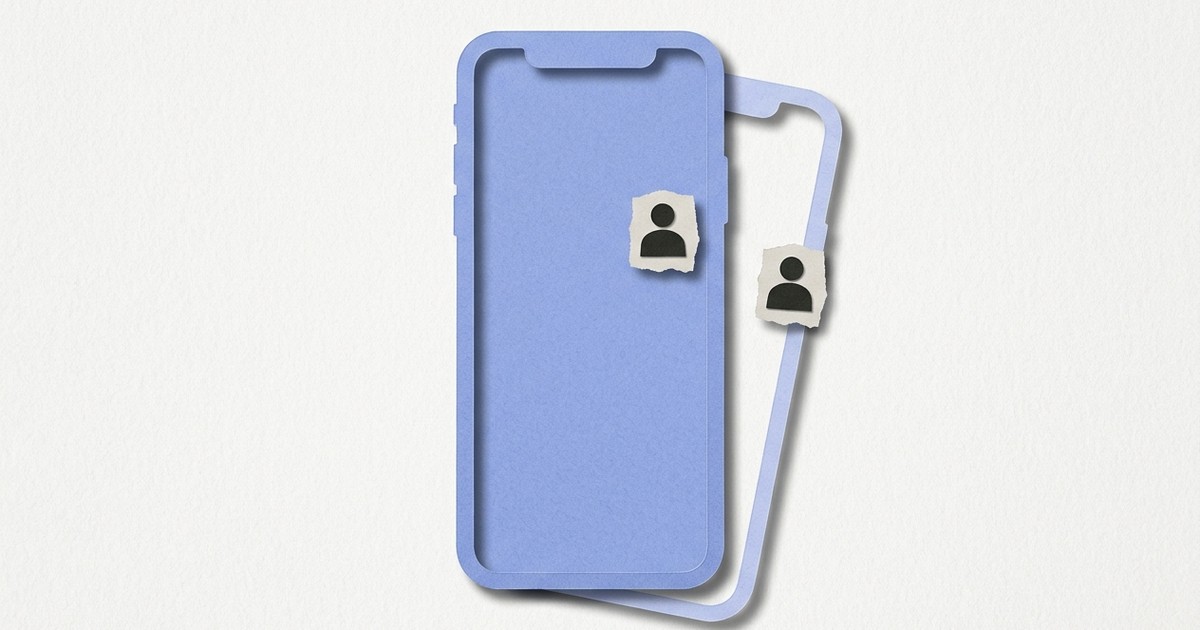
Android has a built-in feature that turns one phone into several separate ones: a new user profile, or a guest session, each with its own home screen and its own set of installed apps. It is meant for sharing a phone with another adult. Handed to a curious ten-year-old, it can look a lot like a blank phone with no rules on it at all.
What guest mode and a new user profile actually are
Two separate features that work the same basic way, according to Google's own Android support documentation. A new user gets "its own space on the device for personal, custom home screens, accounts, apps, settings, and more." Guest mode is the same idea with one difference: it is built to be thrown away, meant for a short-term borrow rather than a permanent second profile.
Why a new profile can look like a blank phone
Because most of what makes a phone feel personal does not carry over. Google's documentation is specific about what stays separate between profiles: files and messages, and "data from apps another user has installed." A profile the parent never touched has no history in it, and whatever settings the parent configured on their own profile were configured there, not system-wide. A child switching into a fresh profile is not looking at a stripped-down version of the family phone. They are looking at a different starting point entirely.
Blocking apps by the hour matters more on a phone a child can reach freely.
Get it on Google Play->Does creating a new profile take more than the phone's regular unlock
No. Adding a user is a Settings menu action, Settings, System, Multiple users, Add user, not a separate security gate. Whatever unlock a child already has to use the phone at all, a PIN, a pattern, a fingerprint they have watched enough times, is all that is needed to reach that menu and create a new one. There is no extra password standing between "has the phone unlocked" and "has a second profile."
Is this something a child stumbles into, or does it take real effort
Somewhere in between. A three or four-year-old is not navigating a system settings menu. An eight to twelve-year-old who has been curious enough to open Settings once, maybe looking for something else entirely, can find "Multiple users" without much trouble, it is not hidden, and Android's own help pages walk through the exact steps in under a minute. It takes noticing the option exists, not technical skill.
What should a parent actually do about this
Check whether the phone allows new users to be added at all, and turn that off if the option exists on that device, newer Android versions let the primary account holder restrict who can add a profile. Where that is not available, the more reliable habit is the same one that matters everywhere else on a shared phone: know which profile is active before handing it over, and treat a phone with multiple users the same way as one with several apps worth keeping an eye on.
A feature built for sharing a phone with a spouse or a houseguest was never designed with a child in mind. It is not a loophole exactly. It is just a part of Android that nobody thought to lock down for this particular use.
Set the hours apps are blocked once, on the profile your child actually uses.
Get it on Google Play->