

9 October 2026 - 4 min read
Factors That Affect a Child's Academic Performance, and What Parents Can Change
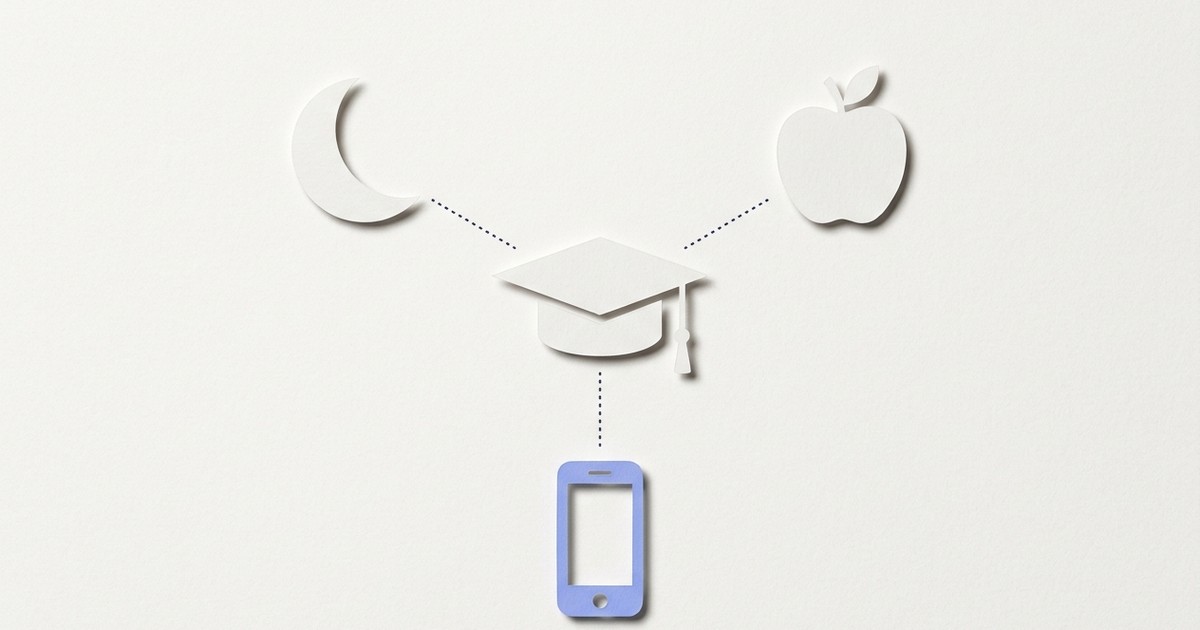
Many things shape how a child does at school, and daily habits are among the ones a parent can influence. A Canadian study that followed 4,253 students in Nova Scotia found that lifestyle behaviours such as diet, sleep and screen time were strongly linked to exam results a year later, while body weight was not. The study shows an association, not proof of cause, but its findings give parents a short, practical list to start with.
What affects a child's academic performance
Teaching, family circumstances and a child's own learning needs all matter, and this study did not measure them. What it did measure were habits. Researchers recorded the diet, physical activity, sleep and screen time of grade 5 students, about 10 to 11 years old, and compared them with the students' grade 6 provincial exams in maths, reading and writing. The US Centers for Disease Control and Prevention makes a similar point on its Health and Academics page: research shows a strong connection between healthy behaviours and academic achievement. The authors of the Nova Scotia study add that unmeasured factors, such as IQ and mental health, could also play a part.
Do diet and sleep make a difference to marks
In this study, yes, in a modest and measurable way. Students who met dietary recommendations were more likely to meet academic expectations. Students who met both the sleep and the screen recommendations were more likely to meet writing expectations. Sleep was judged against 9 to 11 hours a night and was reported by parents. Each extra healthy habit a child had was linked to better chances of meeting expectations in maths, reading and writing, which suggests that small habits add up.
Does screen time affect school results
In part, and the measure was limited. Meeting the screen recommendation together with the sleep one was linked to meeting writing expectations. The researchers asked parents about television viewing only, with a recommendation of under two hours a day, and did not ask about phones. So the study cannot tell you what phone or tablet use did to these children's marks. It also relied on what parents reported. Even so, it supports the idea that screen habits belong in the same conversation as sleep and meals, and our article on the effects of too much screen time looks at an Indian study that asked about it more broadly.
Keep games and videos closed on your phone during homework and bedtime hours.
Get it on Google Play->Does exercise help with marks
This study did not find a link. Physical activity was not associated with academic achievement, and neither was body weight. That does not make exercise pointless: the activity questionnaire used did not capture how long or how hard children exercised, and the CDC lists physical inactivity among the behaviours linked to poorer academic outcomes. Studies differ, so treat exercise as good for the child in other ways, and do not expect it alone to raise marks.
What should parents change first
Pick one habit and fix it, then add another. The study's authors conclude that the combined effect of several healthy behaviours is stronger than any single one, and that each extra recommendation met was linked to better odds of meeting expectations. The habits below are our suggestions, built on those findings: a regular bedtime, a screen-free hour before it, meals at fixed times, and a set slot for games or videos after homework. If your child uses your phone, you can keep the games and video apps closed until the time you choose.
Marks are shaped by many things. Sleep, meals and screens are among the few a family can change this week.
Choose which apps open on your phone, and when, so study and sleep keep their hours.
Get it on Google Play->Related reading
- Does a Phone Before Bed Actually Ruin Your Child's Sleep
- What Too Much Screen Time Does to a Child's Mind, Studies and Behaviour
- See the full setup, step by step
- The combined impact of diet, physical activity, sleep and screen time on academic achievement (International Journal of Behavioral Nutrition and Physical Activity, Springer Nature) ↗