

9 October 2026 - 4 min read
How Much Active Play Does a Young Child Need Each Day, and Where Do Screens Fit
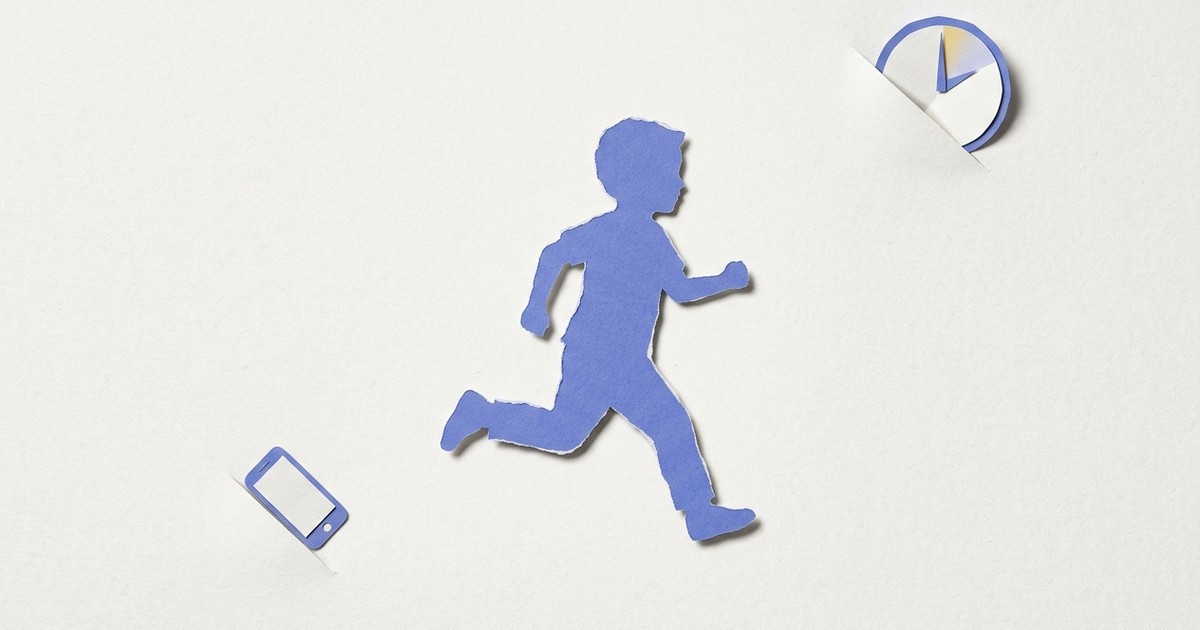
Think about what the screen is replacing, as well as how long it is on. The World Health Organization's guidelines for children under 5, released in 2019, put it simply: the aim is to replace long stretches of sitting in front of a screen with more active play. They give daily targets for activity, sitting and sleep, and screens are only one line in the list.
How much active play does WHO recommend for a young child
At least 180 minutes a day for children aged 1 to 4. That is three hours spread across the day, and it is made up of a variety of activities, not one long session. For babies under 1, WHO asks for active play several times a day, mainly on the floor, and at least 30 minutes of tummy time spread across the day for babies who are not yet moving around. These guidelines are for children under 5, so they do not apply as written to older children.
Does all of that time have to be energetic
No. For children aged 1 to 2, WHO says the 180 minutes can be activity of any intensity, and that it should include some moderate to vigorous activity. For children aged 3 to 4, at least 60 of those 180 minutes should be moderate to vigorous, which means running, jumping, climbing and chasing games that get a child breathing harder. The rest can be gentler: walking, building, dancing slowly, playing in the sand.
Keep the games and video apps closed on your phone while your child plays.
Get it on Google Play->How long can a young child sit in a pram, high chair or car seat
No longer than an hour at a time. WHO says infants and young children should not be restrained for more than one hour at once, whether in a pram, a high chair or strapped to a caregiver's back. It also advises avoiding long stretches of sitting. That matters on trips, where a phone is often the quickest way to keep a restrained child quiet. A short stop to let them move helps more than another video.
Where do screens and sleep fit in
Around the play, not instead of it. WHO says sedentary screen time is not recommended for a child aged 1, and for children aged 2 to 4 it should be no more than one hour a day. Sleep has its own targets: 11 to 14 hours including naps for children aged 1 to 2, and 10 to 13 hours for children aged 3 to 4, on a regular schedule. WHO's Dr Juana Willumsen described the idea as making the shift from sedentary time to playtime while protecting sleep.
What can you do in the hours when the screen is off
Offer play that is easy to start, and join in for the first few minutes. WHO says that when children are sitting, reading and storytelling with a caregiver is encouraged, so a book is a good place to begin. For the active hours, simple things work: a game of catch, a chase around the courtyard, a walk to the shop, an obstacle course made of cushions. These examples are ours, not WHO's.
None of this needs equipment. It needs a few spare hours in the day and a phone that is somewhere else.
Choose which apps open on your phone, and when, and leave the rest of the day for play.
Get it on Google Play->