

26 September 2026 - 5 min read
What Does Watching Endless Low-Quality Videos Actually Do to a Young Child
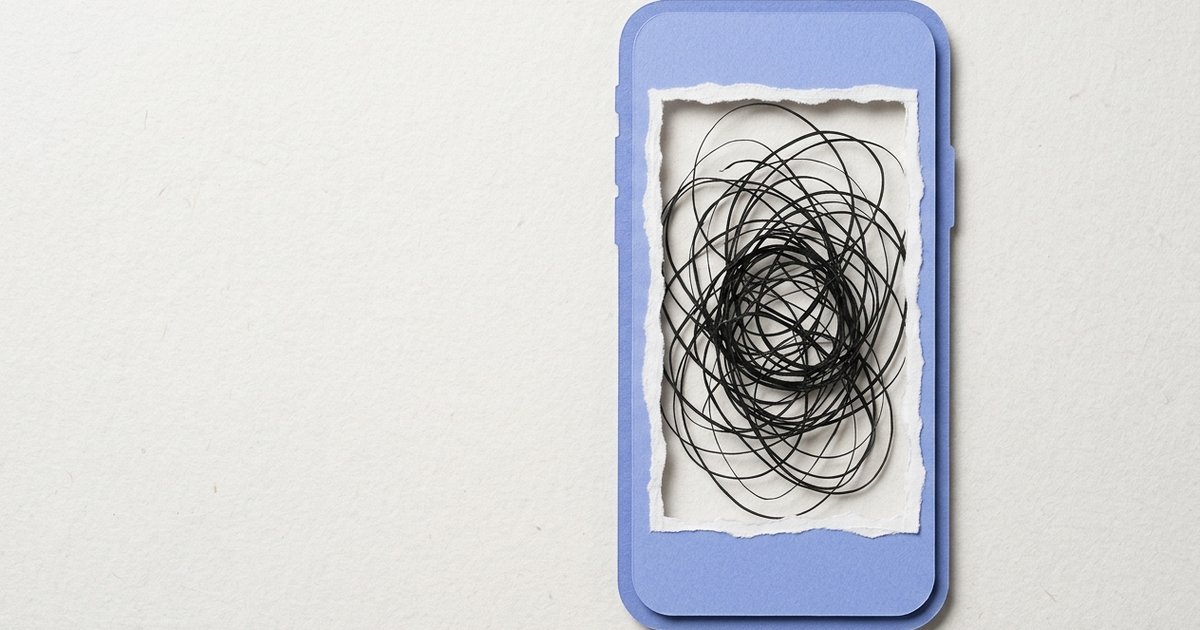
Every parent has seen the version of this: a child staring at an endless string of loud, fast, plotless clips, one sliding into the next before the last one even finished, none of it really about anything. It looks unhealthy, and a lot of parents worry it is doing real damage. The honest answer from the research is more specific than "screens are bad," and more useful too, because it points at what actually seems to matter and what does not.
What actually counts as "nonsense" content in this case
The research draws a real line here, and it is not about screens versus no screens. It is about content that moves fast, has no real story, and often shows things that could not happen in real life, next to slower, narrative content a child can actually follow and learn from. The American Academy of Pediatrics puts it plainly: young children "do not understand" fast-paced programs as well as slower ones, and recommends avoiding them along with apps full of distracting content.
What happens to a child's attention right after watching it
Here the evidence is genuinely solid, just narrower than people assume. Studies that showed young children brief clips found that content full of impossible events, not fast editing on its own, left children performing worse on attention and self-control tasks immediately afterward. The effect was real but short-lived, more like a child needing a few minutes to settle before they can follow instructions than any kind of lasting change.
The easiest fix for the short-term effect is controlling when the video stops, not just what is on it.
Get it on Google Play->Is there real evidence of a longer-term effect, or is that overstating it
This is the part worth being honest about. The strongest, most repeated evidence is short-term and often measured right after a single viewing session in a research setting, not across months or years of a child's actual life. Longer-term studies exist and do find associations between heavy low-quality video use and weaker attention or language outcomes later, but they are observational, which means they show a pattern, not proof that the videos alone caused it. Claiming the research proves permanent brain damage from short-form video goes further than what the research actually supports.
Why background, passive video seems to matter more than any single clip
The AAP's own review points to something less dramatic than "damaged attention span" and more concrete: video playing in the background measurably cuts down how many words a child hears an adult say, and how many back-and-forth exchanges happen between them. That crowding-out effect, less real conversation during exactly the years language develops fastest, is the mechanism with the clearest evidence behind it, not a single scary claim about the content itself.
What is actually within a parent's control here
Two things the evidence points at directly: what kind of content is on, and how much of the day it replaces talking, playing, or reading instead. A slower, story-based video a child can actually follow is a genuinely different experience than an endless feed with no plot, and neither one is harmless in unlimited quantity if it is quietly replacing the conversation and play a young child's development actually depends on.
None of this means one loud, plotless video ruins a child's day. It means the habit of endless autoplay, day after day, is worth interrupting on purpose, because the actual mechanism at risk is time and conversation, not one clip doing lasting harm.
Set a time window for video apps, so autoplay has a natural stopping point.
Get it on Google Play->